
Abbyssinain Cat
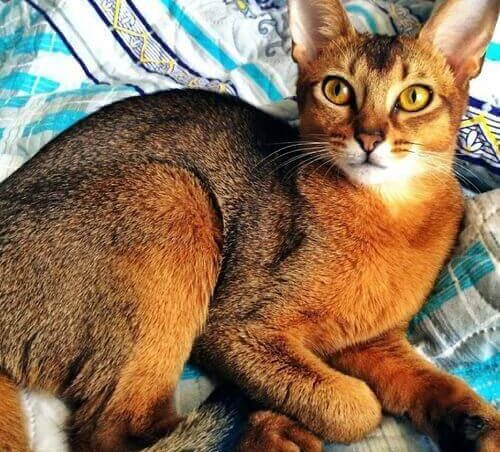
The Abyssinian cat is one of the oldest and most captivating feline breeds, known for its ticked coat, athletic build, and curious, intelligent personality. With roots possibly tracing back to ancient Egypt or Ethiopia, this breed blends elegance, energy, and affection in a way that has earned it global admiration
History of the Abyssinian
The Abyssinian’s origins are steeped in mystery and myth. While the breed was first exhibited in England in the late 19th century, its name comes from Abyssinia (modern-day Ethiopia), where the first known specimen—Zula—was reportedly brought back by a British soldier after the Abyssinian War in 1868. However, genetic studies suggest the breed may have originated along the Indian Ocean coast or Southeast Asia, with cats resembling Abyssinians found in ancient Egyptian art and tombs.
The breed was refined in the UK and later in the United States, where breeders focused on enhancing its distinctive coat and lively temperament. By the mid-20th century, the Abyssinian had become one of the most popular and recognizable cat breeds worldwide.
Physical Traits
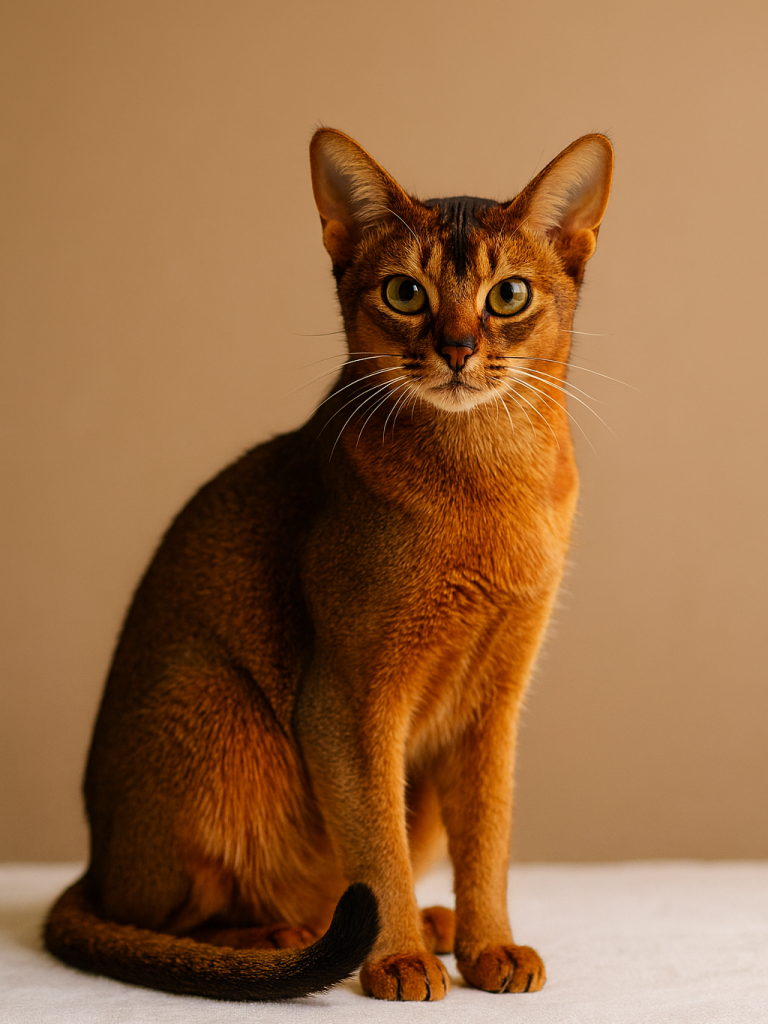
- Coat: "ticked" tabby coat, where each hair has multiple bands of color. This gives the cat a shimmering, wild look.
- Body: Medium-sized, lean, and muscular. They have a graceful, athletic build that reflects their energetic nature.
- Eyes: Large, almond-shaped, and expressive—typically gold or green.
- Ears: Prominent and slightly pointed, giving them an alert, fox-like appearance.
- Tail: Long and tapering, often carried proudly.
Personality and Behavior
Abyssinians are often described as dog-like in their loyalty and playfulness. They are:
- Highly active: These cats love to climb, jump, and explore. They thrive in environments with vertical space and interactive toys.
- Intelligent: Abys are quick learners and enjoy puzzle toys, games, and even leash training.
- Social and affectionate: While not typically lap cats, they bond closely with their humans and enjoy being involved in daily activities.
- Vocal but subtle: They communicate through soft chirps and expressive body language rather than loud meows.
- Curious and mischievous: Their inquisitive nature means they’ll investigate every nook and cranny—sometimes getting into trouble!
Care and Health
- Grooming: Minimal grooming is needed due to their short coat. Weekly brushing helps remove loose hairs and maintain shine.
- Diet: A high-protein diet supports their active lifestyle. They benefit from quality cat food tailored to energetic breeds.
- Health concerns: Generally healthy, but some lines may be prone to renal amyloidosis, progressive retinal atrophy, or patellar luxation. Regular vet checkups are essential.
- Lifespan: Typically 12–15 years, though many live into their late teens with proper care
Fun Facts
- Abyssinians are one of the top 5 most popular cat breeds
- They’re often used in cat shows for their striking appearance and confident demeanor.
- Their ticked coat is unique among domestic cats and resembles that of wild species like the cougar or African wildcat.
- They’re known to play fetch and enjoy water—traits not common in most cats.
Ideal Home Environment
Abyssinians do best in homes where they can be mentally and physically stimulated. They’re great for:
- Families with older children
- Singles who want an interactive companion
- Multi-pet households (especially with other active animals)
They may become bored or destructive if left alone for long periods, so companionship and enrichment are key.